


By Justin Donaton | Team Coastwalk | Coldwell Banker Sea Coast Advantage
Building a new home in Carolina Beach or Kure Beach is an exciting opportunity. Whether you're planning a primary residence, a second home near the ocean or a vacation rental investment, new construction allows you to create a property that complements your lifestyle while incorporating modern building materials, energy efficiency and coastal construction technology.
However, building a home on Pleasure Island is different from building a home elsewhere in Wilmington. Flood zones, lot elevations, coastal building requirements, insurance costs, zoning restrictions and proximity to the ocean all deserve careful consideration.
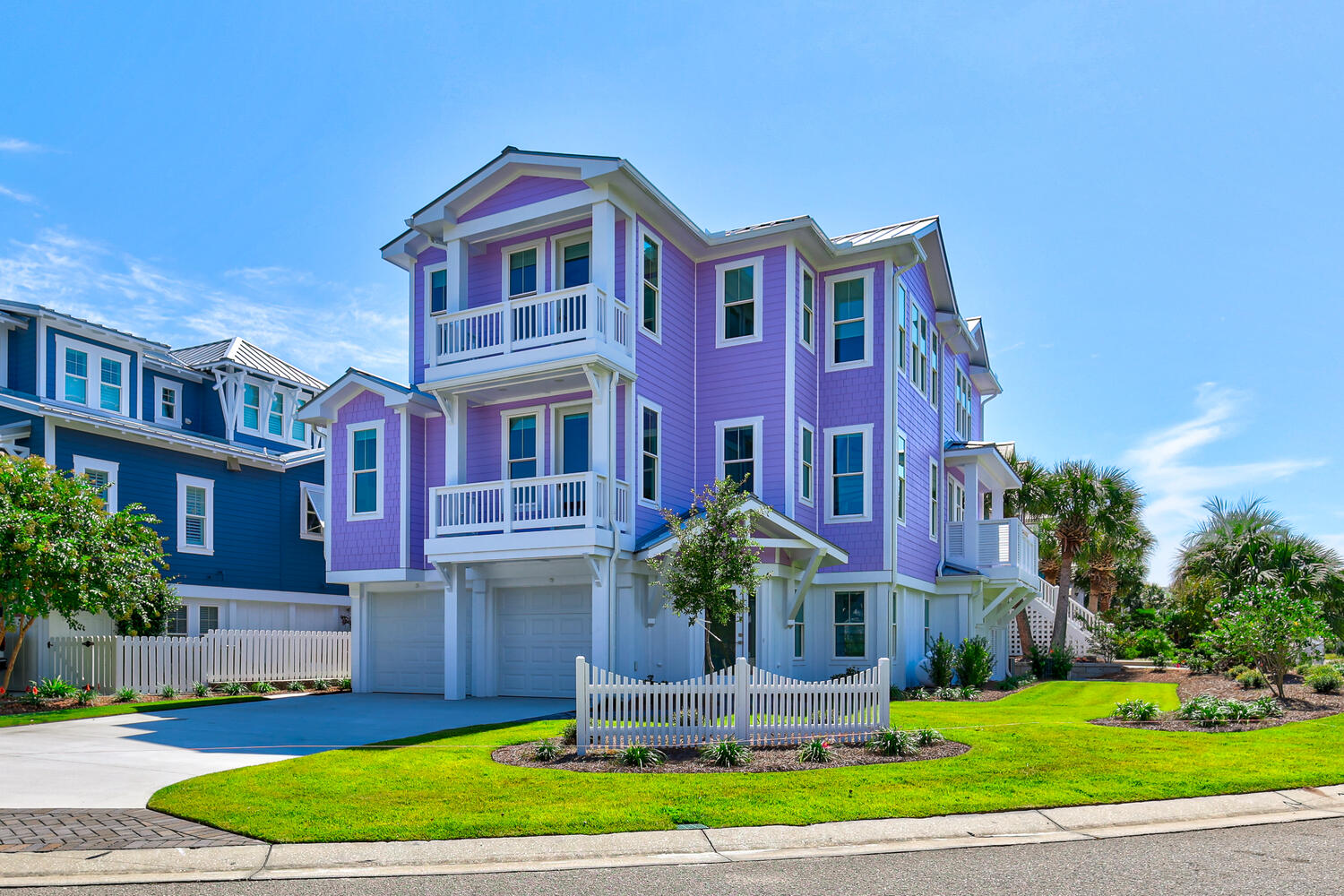
One of the most important pieces of advice I offer prospective buyers is to evaluate the land, construction costs, long-term ownership expenses and potential resale value together, before making a commitment.
If you're beginning your search, explore our Carolina Beach homes for sale, Kure Beach homes for sale and Wilmington-area new construction homes to get a better understanding of the available options.
Here is what you should know before purchasing or building a new construction home at the beach.
1. Should You Build a Custom Home or Buy New Construction?
There are essentially three ways to purchase a newly constructed home.
-
Purchase a completed new construction home: This allows you to see exactly what you're getting, evaluate the finishes and move in relatively quickly.
-
Purchase a home currently under construction: Depending on the construction stage, you may be able to select certain finishes, appliances, flooring and other features.
-
Build a fully custom home: This provides the greatest flexibility regarding location, architecture, floor plan and materials but requires more involvement and financial planning.
Advantages of building a custom home
-
Customized architecture and floor plan.
-
Modern coastal construction standards.
-
Greater control over energy efficiency.
-
Ability to select your location and home orientation.
-
New mechanical systems, appliances and potential builder warranties.
-
Opportunity to incorporate hurricane-resistant construction.
-
Ability to plan for future accessibility and lifestyle needs.
-
Potentially lower initial maintenance expenses.
Potential disadvantages
-
Construction cost overruns.
-
Weather, permitting and material delays.
-
More complicated financing arrangements.
-
Numerous design decisions.
-
Temporary housing and carrying costs.
-
Potential to overbuild for the neighborhood.
-
Uncertainty regarding the final appraised value.
Before deciding, compare the total cost of building with the price of comparable completed homes. Sometimes purchasing an existing home or a recently completed property represents a better financial opportunity.
You can also explore our guide to building a home in southeastern North Carolina.
2. Finding the Right Location in Carolina Beach or Kure Beach
You can change countertops, appliances and paint colors, but you cannot change your home's location. Selecting the right lot is arguably the most important decision in the entire construction process.
Carolina Beach and Kure Beach offer a variety of settings, from oceanfront properties and waterfront homes to established residential neighborhoods and interior island lots.
Where to build in Carolina Beach
Carolina Sands
Carolina Sands in Carolina Beach is an established residential community with neighborhood amenities and convenient beach access. When considering construction here, evaluate lot dimensions, architectural compatibility, community restrictions and available outdoor space.
Seagrove
Seagrove in Carolina Beach features distinctive coastal architecture and an established neighborhood setting. Buyers considering construction should review applicable architectural guidelines and covenants before finalizing their plans.
Canal Drive and waterfront properties
Canal Drive in Carolina Beach offers opportunities for buyers interested in waterfront living, boating and coastal views.
When purchasing waterfront property, carefully evaluate flood exposure, drainage, bulkhead condition, dock permitting, water access and foundation requirements.
Oceanfront and oceanview properties
Building an oceanfront home offers the opportunity to enjoy direct beach access and exceptional views. However, oceanfront properties can involve additional construction requirements, erosion considerations, maintenance expenses and insurance costs.
Explore Carolina Beach oceanfront homes for sale to compare existing properties with potential construction opportunities.
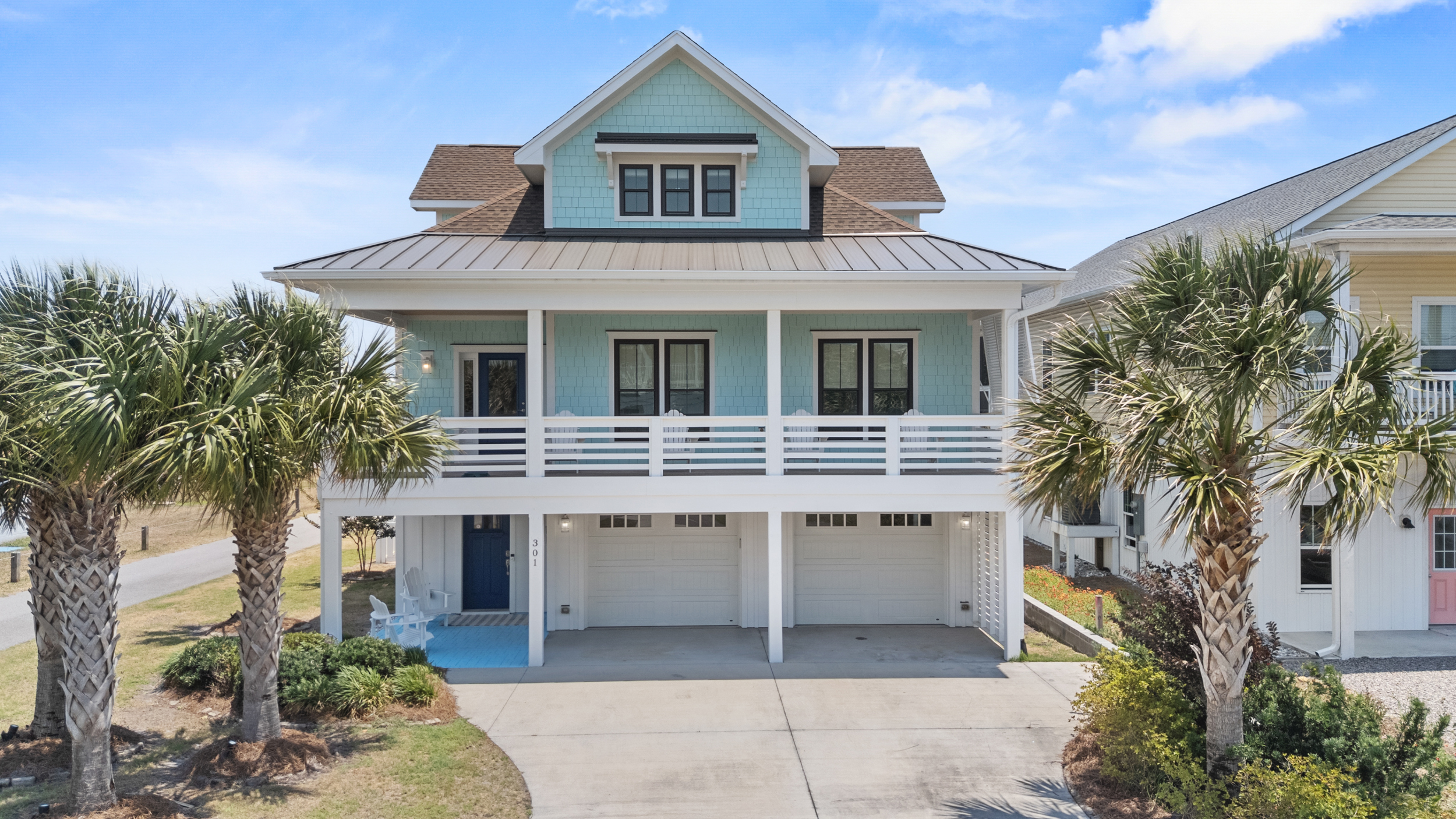
Where to build in Kure Beach
Seawatch
Seawatch in Kure Beach is an established coastal community featuring distinctive architecture, neighborhood amenities and beach access.
When considering building in Seawatch, review architectural requirements, lot coverage, landscaping guidelines and the relationship between your proposed home and surrounding property values.
Kure Beach Village
Kure Beach Village offers another established residential neighborhood setting. Buyers should evaluate lot availability, community amenities, applicable restrictions and the potential for outdoor living spaces.
Oceanfront and interior Kure Beach properties
Kure Beach offers oceanfront, oceanview and interior residential locations. Each presents different opportunities regarding views, beach access, elevation, privacy and construction costs.
Browse Kure Beach oceanfront homes for sale and the broader Kure Beach real estate market.
How to evaluate a potential building location
Consider how you will actually use the home. Will you walk to the beach every day? Is boating important? Would you prefer a larger yard, swimming pool or additional garage space?
Other important considerations include:
-
Distance to public beach access.
-
Property elevation and flood exposure.
-
Potential for neighboring construction to obstruct views.
-
Privacy and outdoor living space.
-
Sun exposure and prevailing winds.
-
Seasonal traffic and parking.
-
Proximity to restaurants, parks and recreational amenities.
-
Comparable home values in the surrounding neighborhood.
-
Neighborhood amenities and HOA expenses.
-
Future development potential of surrounding properties.
Visit prospective locations during different times of day and, if possible, following significant rainfall or unusually high tides.
An attractive vacant lot may have limitations that aren't immediately apparent.
3. What to Investigate Before Purchasing Vacant Land
Not every vacant lot can accommodate the home you envision. Before committing to a property, I recommend working with a local real estate agent, builder, surveyor and architect to determine what can realistically be constructed.
Begin exploring opportunities through our vacant land and building lots for sale.
Flood zones and elevation
Determine the property's flood designation, existing ground elevation and applicable building elevation requirements.
However, flood maps are only part of the evaluation. Surrounding drainage, access roads, historical flooding and the elevation of neighboring properties should also be considered.
A property located outside a designated high-risk flood zone is not necessarily immune to flooding.
Lot dimensions, setbacks and building height
Determine how much of the lot is actually available for construction.
Local zoning requirements, setbacks, building height restrictions and easements may limit the size or configuration of your home.
You should also evaluate whether your desired swimming pool, driveway, garage, decks and outdoor spaces can be accommodated.
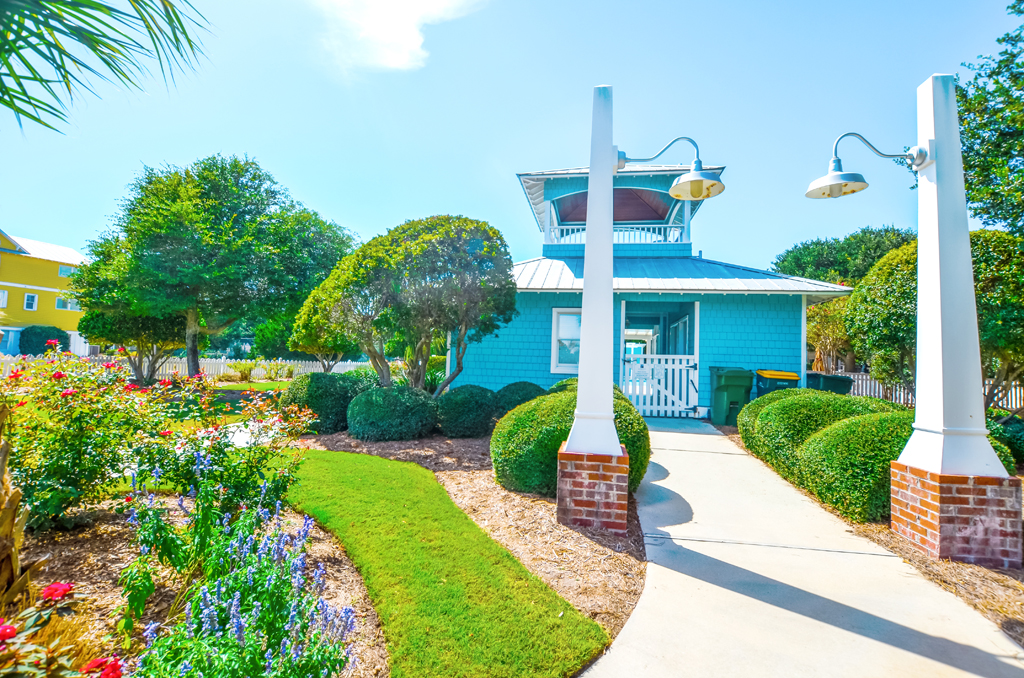
CAMA and coastal development restrictions
Properties near the ocean, waterways and certain environmentally sensitive areas may be subject to Coastal Area Management Act requirements.
Oceanfront construction setbacks can depend on shoreline erosion characteristics and proposed building size.
Consult the appropriate local and state permitting authorities before purchasing.
Soil, foundation and site preparation
Coastal soil conditions can influence foundation design and construction costs.
Depending on the property, your builder and engineer may recommend pilings, engineered foundations, additional fill or other site improvements.
Utilities and drainage
Verify water, sewer and electrical availability, connection costs and stormwater requirements.
If purchasing an older home with plans to demolish it, include demolition, debris removal, utility disconnection and any necessary environmental evaluation in your budget.
HOA restrictions and recorded easements
Review restrictive covenants, architectural guidelines, rental restrictions and recorded easements.
A neighborhood may have additional requirements beyond municipal zoning and building regulations.
Never assume that because a neighboring property contains a large house, you will be permitted to construct a similar home on your lot.
4. Understanding the True Cost of Building a Beach Home
One of the most common mistakes buyers make is focusing almost exclusively on the builder's quoted price per square foot.
The total cost of a completed home can extend well beyond the initial construction estimate.
Here is a hypothetical budget for a custom coastal home.
| Expense | Illustrative cost |
|---|---|
| Land purchase | $350,000 |
| House construction | $800,000 |
| Architecture, engineering and surveying | $35,000 |
| Additional site preparation and utilities | $30,000 |
| Swimming pool and outdoor improvements | $85,000 |
| Permits, financing and carrying costs | $40,000 |
| Contingency reserve | $80,000 |
| Total project investment | $1,420,000 |
These figures are illustrative and are not actual local land valuations or construction quotes.
In this example, the house itself costs $800,000 to construct, but the total project investment reaches $1.42 million.
Before finalizing a budget, obtain an itemized proposal and determine exactly what is included and excluded.
I generally recommend discussing a contingency reserve of approximately 10–15% of anticipated construction-related expenses with your builder and lender, adjusting that amount according to the project's complexity and contract terms.
It's also important to evaluate what comparable completed homes are selling for in the surrounding neighborhood.
Spending $1.4 million to build a home does not necessarily mean it will appraise or sell for $1.4 million.
Our Carolina Beach real estate guide and Kure Beach real estate guide are useful starting points for comparing properties and neighborhoods.
5. Financing a New Construction Home
Financing options depend on whether you're purchasing a completed home or building your own.
Traditional mortgage
If purchasing a completed new construction home from a builder, you may be able to use a conventional mortgage, jumbo mortgage or another eligible mortgage product, much as you would with an existing home.
This is generally the simplest financing approach.
Construction-to-permanent loan
A construction-to-permanent loan provides financing during the construction period and transitions into a long-term mortgage after completion.
A single-close structure may allow you to finance both the land and construction through one closing. Construction funds are typically distributed in stages as work progresses.
Separate construction and permanent loans
With a two-close structure, you obtain financing for construction and subsequently arrange a permanent mortgage.
This can provide additional flexibility but may expose you to changing mortgage rates, qualification requirements and additional closing costs.
Cash or a combination of cash and financing
Some buyers choose to purchase the lot with cash and finance construction later. Others finance the entire project or pay for construction directly.
If you already own the land, ask your lender whether its eligible equity can contribute toward your required investment.
Questions to ask your construction lender
-
What down payment is required?
-
Can the land purchase be included in the construction loan?
-
Can I use existing land equity toward my down payment?
-
When can I lock my permanent mortgage rate?
-
How are construction draws handled?
-
Will I make interest payments during construction?
-
What happens if the project exceeds its budget?
-
What happens if the completed home appraises below expectations?
-
What happens if construction takes longer than anticipated?
-
Does the lender need to approve my builder?
-
Will financing terms differ if the property is a second home or vacation rental?
Working with a lender experienced in coastal custom construction can be especially helpful.
Our team can assist you in identifying lenders familiar with this type of financing. Learn more about building a new home with Coastwalk Real Estate.
6. How to Find the Right Custom Home Builder
Selecting the right builder is nearly as important as selecting the right property.
Building near the ocean requires knowledge of wind exposure, moisture management, corrosion-resistant materials, flood requirements and local permitting procedures.
I recommend interviewing at least three builders and evaluating more than their initial price estimates.
Ask prospective builders about their experience constructing homes in Carolina Beach and Kure Beach. Request to see recently completed projects as well as homes they built several years ago.
Important questions to ask prospective builders
-
How many homes have you constructed in coastal communities?
-
Can I speak with several previous clients?
-
Who will personally supervise my project?
-
How many other homes will you be building simultaneously?
-
What is included in your proposal, and what is excluded?
-
What construction materials do you recommend for this location?
-
How are change orders, cost increases and delays handled?
-
What warranties are provided after completion?
-
Do you have experience with FORTIFIED construction?
-
How frequently will I receive progress and budget updates?
-
Can I hire an independent inspector during construction?
-
How are subcontractors selected and supervised?
Independently verify the builder's North Carolina general contractor license, insurance coverage, references and relevant construction experience.
Understanding construction contracts
| Contract type | How it generally works |
|---|---|
| Fixed price | Builder agrees to a specified price for an agreed scope, subject to contract exceptions and changes |
| Cost plus | Owner pays eligible construction expenses plus an agreed builder fee |
| Guaranteed maximum price | Costs are generally limited by an agreed maximum, subject to stated exclusions and adjustments |
Regardless of the contract type, make sure material allowances are realistic.
An attractive initial proposal can become significantly more expensive once flooring, cabinetry, fixtures, appliances and other selections are finalized.
Pay particular attention to payment schedules, change-order procedures, lien protections, insurance responsibilities, warranties and dispute resolution.
Have a North Carolina real estate or construction attorney review the agreement before signing.
Our team can help you identify local building professionals and evaluate potential construction opportunities. Learn more about Justin Donaton and his coastal real estate experience.
7. The Most Important Features of a New Coastal Home
When designing a home at the beach, I encourage buyers to prioritize structural quality, durability and functionality before investing heavily in cosmetic upgrades.
Hurricane-resistant construction
Some of the most valuable features are ones you may never notice walking through the finished home.
These include:
-
Properly engineered foundations and structural connections.
-
Impact-rated windows and exterior doors or other approved opening protection.
-
High-quality roofing systems and water-resistant roof assemblies.
-
Corrosion-resistant fasteners, hardware and exterior materials.
-
Proper flashing, waterproofing and moisture management.
-
Durable exterior siding.
-
Appropriately elevated mechanical and electrical equipment.
-
Effective drainage around the home.
Consider FORTIFIED Gold construction
One option worth discussing with your builder is pursuing a FORTIFIED designation.
Developed by the Insurance Institute for Business & Home Safety, the FORTIFIED program provides voluntary construction standards designed to improve a home's resilience against severe weather.
The program includes FORTIFIED Roof, FORTIFIED Silver and FORTIFIED Gold designations.
Obtain insurance estimates for different construction specifications before deciding which upgrades to pursue. Potential insurance discounts depend on the insurer, property and applicable program requirements.
Roofing, windows and exterior materials
A standing seam metal roof, impact-rated windows, durable siding and high-quality exterior doors may be worth considering in a coastal environment.
However, the quality of installation and the suitability of the complete building system are just as important as the individual materials.
Discuss the corrosion resistance, maintenance requirements, wind ratings and warranties of your selected products.
Floor plan and long-term livability
A well-designed floor plan can improve both day-to-day enjoyment and future marketability.
Consider incorporating:
-
An elevator or appropriately designed future elevator shaft.
-
A spacious primary suite.
-
Guest bedrooms with private bathrooms.
-
Open kitchen, dining and living areas.
-
A walk-in pantry or butler's pantry.
-
Generous storage and closet space.
-
A dedicated home office or flexible room.
-
Adequate garage and parking space.
-
Convenient laundry facilities.
-
Accessible entryways and circulation spaces.
-
Large windows that maximize natural light.
A reverse floor plan, with the main living area on an upper level, can be particularly attractive when it takes advantage of ocean or water views.
Think about how the home's layout will function 10 or 20 years from now, rather than only how you intend to use it today.
Outdoor living spaces
Outdoor living is an important part of owning a home in Carolina Beach or Kure Beach.
Features worth considering include:
-
Covered porches and screened porches.
-
Outdoor showers.
-
Heated saltwater swimming pools.
-
Hot tubs.
-
Outdoor kitchens and entertaining areas.
-
Privacy landscaping.
-
Landscape lighting.
-
Irrigation systems.
-
Low-maintenance decking materials.
-
Storage for beach equipment, bicycles and surfboards.
Carefully consider sun exposure, prevailing winds, privacy from neighboring homes and the amount of outdoor maintenance you are comfortable managing.
A covered or screened porch may provide more year-round enjoyment than a large uncovered deck, depending on its orientation.
Explore homes in Seawatch, Seagrove and Carolina Sands for examples of different coastal architectural styles and outdoor living arrangements.
Energy efficiency and mechanical systems
New construction provides an opportunity to incorporate efficient mechanical systems and technologies that can be expensive to retrofit later.
Consider:
-
High-efficiency HVAC systems.
-
Proper insulation and air sealing.
-
Whole-house humidity management.
-
Zoned heating and cooling.
-
Tankless or other efficient water heating systems.
-
Water filtration and leak detection.
-
Generator connections or standby power.
-
EV charging provisions.
-
Smart thermostats.
-
Convenient access to mechanical equipment for servicing.
In our coastal climate, moisture control and the protection of outdoor mechanical equipment deserve particular attention.
8. Where to Spend Money and Where to Save
Not every upgrade will provide the same long-term benefit.
I generally encourage buyers to spend more on items that are difficult or expensive to change after construction.
| Prioritize during construction | Consider upgrading later |
|---|---|
| Foundation and structural systems | Decorative lighting |
| Roofing and waterproofing | Cabinet hardware |
| Windows and exterior doors | Interior paint colors |
| Floor plan and ceiling heights | Decorative wall treatments |
| Elevator shaft and structural provisions | Smart home accessories |
| Electrical and plumbing infrastructure | Certain appliance upgrades |
| Insulation and moisture management | Decorative landscaping |
| Garage and parking configuration | Closet organization systems |
If you think you may want a swimming pool, hot tub, generator or elevator in the future, discuss the necessary structural, electrical, plumbing and site provisions with your builder during the design process.
Planning for future improvements can be considerably easier than attempting to accommodate them after the home is completed.
9. Insurance, Flood Zones and Coastal Construction
Insurance should be part of the design process, not something you address immediately before closing.
Ask an insurance professional familiar with coastal North Carolina to provide preliminary estimates based on your proposed location, replacement cost, elevation, roofing materials and construction standards.
Depending on the property, you may need to evaluate:
-
Homeowners insurance.
-
Wind and hail coverage.
-
Flood insurance.
-
Builder's risk insurance during construction.
-
Liability coverage.
-
Vacation rental insurance, if applicable.
-
Deductibles and coverage exclusions.
Being located outside a mapped high-risk flood zone does not eliminate flood risk.
Elevation, surrounding drainage and access roads should also influence your decision.
Understanding your projected insurance costs before construction can help you make better decisions regarding your location, foundation, roof and other structural improvements.
10. Designing a Home With Future Resale Value in Mind
Even if you intend to keep your new home indefinitely, I recommend considering how future buyers may evaluate it.
There is a difference between building an expensive home and building a valuable home.
In my view, these are some of the most important features to evaluate for future marketability.
| Feature | Potential resale importance |
|---|---|
| Location and beach access | Very high |
| Views and natural light | Very high |
| Elevation and ownership costs | Very high |
| Construction quality and durability | Very high |
| Functional floor plan | Very high |
| Elevator in a multilevel home | High |
| Parking, garage and storage | High |
| Covered outdoor living areas | High |
| Energy efficiency | High |
| Swimming pool | Location and buyer dependent |
| Luxury appliances and designer finishes | Buyer and price dependent |
| Highly personalized design choices | Variable |
These are qualitative real estate considerations rather than measured MLS price premiums.
A swimming pool, for example, may be particularly appealing in certain luxury or vacation rental properties, but its contribution to resale value will depend on the location, available yard space, maintenance costs and comparable sales.
Avoid spending a disproportionate amount of your budget on features that are highly specific to your personal taste while overlooking more broadly desirable features.
Before finalizing construction plans, I recommend reviewing comparable homes in the surrounding area. Our Carolina Beach homes for sale and Kure Beach homes for sale pages provide a starting point.
11. Building a Vacation Rental Home Versus a Primary Residence
If you're planning to use your new home as a vacation rental, some of your design decisions may be different.
| Vacation rental considerations | Primary residence considerations |
|---|---|
| Multiple bedroom suites | Larger primary suite |
| Multiple gathering spaces | Dedicated office space |
| Durable, easy-to-maintain flooring | Personalized interior finishes |
| Swimming pool or hot tub | Privacy and functional yard space |
| Multiple laundry facilities | Convenient everyday laundry |
| Lockable owner storage | Larger closets and pantry |
| Sufficient guest parking | Garage and workshop space |
| Recreational amenities | Long-term accessibility |
If rental income is part of your financial plan, verify applicable town regulations, zoning, HOA restrictions, occupancy limitations and insurance requirements before purchasing the land.
Obtain realistic rental projections that account for management fees, utilities, maintenance, insurance, furnishings, taxes and vacancy.
You can also explore our Pleasure Island vacation rental resources.
12. The New Construction Process: From Land to Move-In
Step 1: Establish your goals and total budget
Determine the intended use, home size, preferred features and maximum total investment.
Step 2: Identify potential locations
Compare available lots, neighborhoods and completed homes. Explore our vacant land listings and local community guides.
Step 3: Conduct land due diligence
Review surveys, flood conditions, buildability, zoning, utilities, soil conditions and restrictions.
Step 4: Select your builder and design team
Compare credentials, construction quality, estimates, references and communication styles.
Step 5: Finalize plans, specifications and financing
Confirm construction drawings, material selections, allowances, contract terms, contingencies and financing obligations.
Step 6: Obtain required approvals
Complete engineering, permitting and applicable architectural reviews.
Step 7: Begin construction
Monitor expenses, progress, inspections and change orders throughout the project.
Step 8: Complete independent inspections
Consider foundation-stage, pre-drywall and final inspections, depending on the project and the advice of your inspector.
Step 9: Final walkthrough and occupancy
Obtain required occupancy approvals, warranties, insurance documentation, system instructions and any applicable FORTIFIED documentation.
Step 10: Schedule a warranty-period inspection
If your builder provides a one-year warranty, consider an independent inspection before the warranty expires.
I strongly recommend hiring an independent home inspector, even when working with a reputable builder. Municipal building inspections serve an important purpose but are not a substitute for a comprehensive inspection performed on your behalf.
13. New Construction Buyer Checklist
Before purchasing land or signing a construction contract, make sure you have addressed the following:
-
Established an all-inclusive project budget.
-
Compared building costs with existing home prices.
-
Verified lot dimensions and buildable area.
-
Reviewed flood maps and elevation information.
-
Investigated drainage and soil conditions.
-
Confirmed applicable zoning and CAMA requirements.
-
Reviewed HOA and architectural restrictions.
-
Obtained preliminary insurance estimates.
-
Interviewed qualified local builders.
-
Verified builder licensing and insurance.
-
Reviewed construction financing options.
-
Established realistic construction allowances.
-
Included a financial contingency reserve.
-
Evaluated hurricane-resistant construction options.
-
Considered long-term maintenance expenses.
-
Reviewed the home's potential resale value.
-
Arranged for independent construction inspections.
-
Had appropriate legal professionals review contracts.
Frequently Asked Questions About Building in Carolina Beach and Kure Beach
Is it cheaper to build or buy an existing home?
Not necessarily. Existing homes may offer better value when land, site preparation, landscaping, financing and other construction expenses are considered. Custom construction offers greater control but does not guarantee a lower price.
How long does it take to build a custom beach home?
For preliminary planning, allowing 12–24 months for the overall design, approval and construction process may be reasonable. Actual timelines vary significantly according to design complexity, permitting, material availability, weather and builder scheduling.
Do I need to own the land before talking to a builder?
No. In fact, involving your builder before purchasing land can help identify construction limitations and unexpected expenses.
Can I purchase an older beach cottage and build a new home on the property?
Potentially. Purchasing an older home for redevelopment can create opportunities in established locations where vacant land is limited.
However, verify demolition requirements, current setbacks, building height restrictions, utility connections and other development regulations. Do not assume the existing home's footprint can automatically be replicated.
Do I need a real estate agent when purchasing new construction?
A buyer's agent can assist with land selection, comparable sales, negotiations, contract considerations and evaluating future marketability.
Establish representation and compensation terms before signing agreements or registering with a builder.
Should I build oceanfront or a few blocks from the beach?
That depends on your budget, lifestyle and tolerance for coastal risks.
An interior or oceanview property may provide excellent beach access while offering a different balance of insurance expenses, maintenance, privacy and construction flexibility.
Compare Carolina Beach oceanfront properties and Kure Beach oceanfront properties with homes in surrounding residential neighborhoods.
Is FORTIFIED Gold construction worth considering?
It is certainly worth discussing with your builder and insurance professional, particularly in a coastal environment.
The potential benefits should be evaluated alongside additional construction costs, certification requirements, insurance options and your long-term ownership plans.
Where can I find vacant land in Carolina Beach or Kure Beach?
Start by exploring our available vacant land and building lots. Our team can also help identify potential redevelopment opportunities and properties that may not yet be actively marketed.
Thinking About Building a New Home in Carolina Beach or Kure Beach?
Building a custom home can be one of the most rewarding ways to own property at the North Carolina coast. The key is making informed decisions before purchasing land or committing to a construction agreement.
With more than 20 years of real estate experience, over 750 homes sold and nearly $400 million in career sales, I understand how location, construction quality, design and market conditions can influence a property's enjoyment and long-term value.
Our team at Coastwalk Real Estate can assist you with:
-
Identifying suitable vacant land and building lots.
-
Finding completed new construction homes.
-
Exploring potential off-market opportunities.
-
Comparing neighborhoods and locations.
-
Connecting with local custom home builders.
-
Identifying experienced construction lenders.
-
Evaluating comparable sales and potential resale value.
-
Negotiating land and new construction purchases.
-
Determining whether building or buying an existing home makes the most sense for your goals.
Whether you're just beginning to explore the possibilities or are ready to start construction, I'd welcome the opportunity to help.
Start Your Coastal Home Search
Team Coastwalk | Coldwell Banker Sea Coast Advantage
Coldwell Banker International President's Elite
750+ Homes Sold | Nearly $400 Million in Career Sales | 20+ Years of Experience
Email: justin@coastwalkrealestate.com
Website: www.CoastwalkRealEstate.com
Construction costs, financing, insurance requirements and development regulations are property-specific and subject to change. Buyers should consult qualified builders, architects, engineers, lenders, insurance professionals, attorneys and local permitting authorities.